

Is Oral Surgery Anesthesia Safe? Understanding the Single-Provider Model
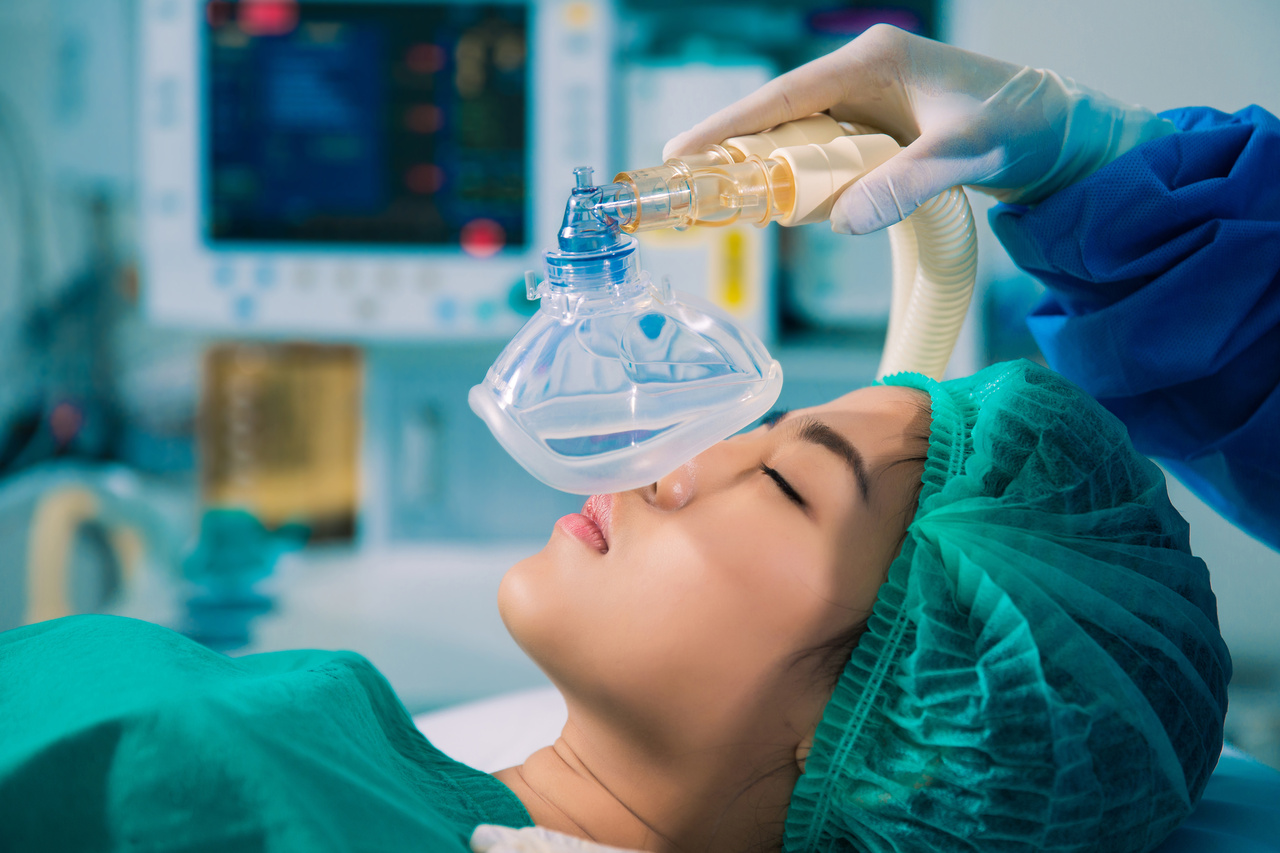
Anesthesia for oral surgery has one of the strongest safety records in medicine, in large part because of the single-provider model used by oral and maxillofacial surgeons. In this model, one specially trained surgeon-anesthetist both performs the procedure and manages your anesthesia, supported by a team trained in monitoring—rather than relying on two separate providers. Oral surgeons complete extensive, formal anesthesia training as part of their residency, and research within the field supports this integrated approach as a safe, well-coordinated way to deliver in-office sedation.
Why Patients Worry About Anesthesia
For many people, anesthesia is the most nerve-wracking part of any procedure. Questions like "Who's watching me?" and "Is it safe?" are completely natural. Understanding how anesthesia works in oral surgery—and who's responsible for your safety—can replace that anxiety with confidence.
At Curtin Oral Surgery & Associates, board-certified oral and maxillofacial surgeon Dr. Jared Curtin uses the single-provider anesthesia model and wants patients to understand exactly why it's a safe, trusted approach.
What Is the Single-Provider Anesthesia Model?
Oral and maxillofacial surgeons are unique among surgical specialists: their training includes extensive, formal education in anesthesia. This allows one highly qualified surgeon-anesthetist to both perform the surgery and oversee sedation, working with a dedicated team trained specifically in patient monitoring and emergency response.
- One expert leads your care — the same surgeon who knows your case manages your anesthesia, ensuring seamless coordination.
- The whole team is anesthesia-trained — assistants are educated in monitoring vital signs throughout your procedure.
- Care is continuous — there is no hand-off between separate providers.
How It Differs From the Two-Provider Model
In a traditional two-provider model, the surgeon focuses on the procedure while a separate provider manages anesthesia independently. The single-provider model instead keeps both under one coordinated, highly trained team:
- Unified decision-making — the person directing anesthesia has firsthand knowledge of your surgery as it unfolds.
- Seamless communication — no gaps between separate teams.
- A proven track record — oral surgery has relied on this model for decades with an outstanding safety record.
What the Research Says
The single-provider anesthesia model has been studied within the oral and maxillofacial surgery field, and the published research supports it as a safe approach to in-office sedation and anesthesia. The specialty's long-standing emphasis on rigorous anesthesia training, team preparation, and strict safety protocols is widely regarded as central to its strong safety record.
What This Means for You
Choosing a practice that uses the single-provider model means your anesthesia is managed by a specialist with advanced, formal anesthesia training—the same expert overseeing your surgery—supported by a trained team and modern monitoring. You can learn more about our specific sedation options, including IV sedation and general anesthesia, or review our anesthesia instructions to prepare for a visit.
Frequently Asked Questions
Is anesthesia for oral surgery safe?
Yes. Oral surgery anesthesia has one of the strongest safety records in medicine, supported by oral surgeons' extensive anesthesia training, team-based monitoring, and strict safety protocols.
Who monitors me during the procedure?
A dedicated team trained specifically in anesthesia monitoring watches your vital signs and comfort, while the surgeon-anesthetist directs both your care and your sedation.
What anesthesia training do oral surgeons have?
Oral and maxillofacial surgeons complete extensive, formal anesthesia training during residency—more than most other outpatient surgical specialists—allowing them to safely manage anesthesia in the office.
Will the same person do my surgery and anesthesia?
In the single-provider model, yes. The same qualified surgeon-anesthetist oversees both, supported by a trained team—ensuring coordinated, continuous care.
Act fast. Gently rinse the tooth (avoid scrubbing), place it in milk or saline, and contact our office immediately. Quick reimplantation can sometimes save the tooth.
Learn More About Your Care
Have questions about anesthesia or an upcoming procedure? Our team at our Londonderry and Salem offices is always happy to help you feel informed and confident.