.svg)
.svg)
.svg)


General Anesthesia for Oral Surgery in Londonderry & Salem, NH
Full Sedation for Complex Cases and Maximum Comfort
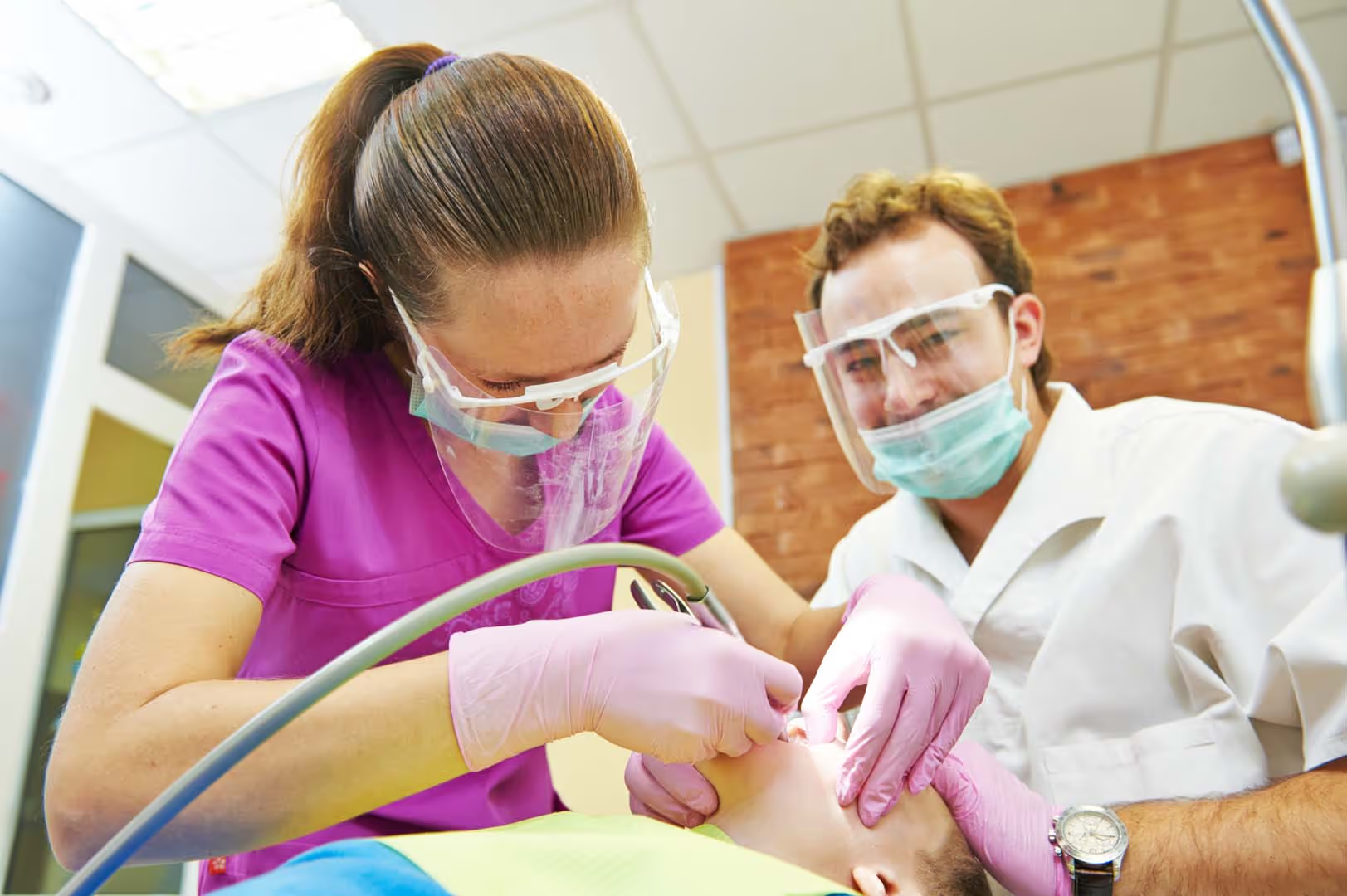
For some patients, a local anesthetic or mild sedation isn't enough. At Curtin Oral Surgery & Associates, we provide in-office general anesthesia for oral surgery procedures that require a deeper level of sedation, whether due to medical, surgical, or anxiety-related needs.
We serve patients at both our Londonderry and Salem offices, with a reputation for surgical safety and advanced care that extends throughout Southern New Hampshire and the Merrimack Valley. Patients from Derry, Windham, Pelham, and Methuen, MA regularly trust us for surgical treatment under general anesthesia in a private, highly controlled environment.
What Is General Anesthesia?
General anesthesia places you in a fully unconscious state, allowing complex oral surgery to be completed without awareness, pain, or memory of the procedure. This is different from IV sedation or oral conscious sedation, where you remain awake but relaxed.
It's commonly recommended for:
- Removal of deeply impacted wisdom teeth
- Extensive tooth extractions
- Full mouth reconstruction
- Highly anxious or special needs patients
- Medically complex surgical cases
- Pediatric or adolescent patients requiring multiple procedures
Safe Anesthesia, In a Private Surgical Setting
Dr. Jared Curtin, DDS, is a board-certified oral and maxillofacial surgeon with hospital-based training in anesthesia and airway management. He is licensed and credentialed to administer general anesthesia in-office, and our facilities are equipped with hospital-grade monitoring systems and emergency protocols.
Your vital signs—including heart rate, blood pressure, oxygen saturation, and respiratory function—are carefully monitored throughout the entire procedure.
Both our Londonderry and Salem offices meet the strict safety standards required for in-office general anesthesia, ensuring that you receive hospital-level care in a calm, familiar setting.
What to Expect with General Anesthesia
- Pre-Anesthesia Evaluation — We'll conduct a full medical review, assess risk factors, and discuss medications and fasting guidelines. This may involve communication with your primary care provider.
- Day of Procedure — You'll arrive with a responsible adult escort. General anesthesia is administered through IV while monitoring begins immediately.
- During Surgery — You'll be fully asleep throughout the procedure. Vital signs are continuously tracked by our trained surgical and anesthesia team.
- Recovery & Discharge — After surgery, you'll rest in our recovery area. Once alert and stable, you'll be discharged with post-op instructions and escorted home by your caregiver.
Is General Anesthesia Right for You?
General anesthesia is typically reserved for more involved surgical procedures or patients who meet specific medical or emotional criteria. It may be recommended if:
- You are undergoing multiple or complex oral surgeries
- You have significant dental anxiety or phobia
- You have physical or cognitive challenges that make in-office care difficult
- Other sedation methods have not provided adequate comfort
During your consultation, Dr. Curtin will explain all available sedation options and help determine the safest and most effective approach for your needs.
FAQs
Will I be completely unconscious?
Yes. General anesthesia induces a controlled unconscious state, so you will not see, hear, or feel anything during the procedure and will have no memory of it afterward.
Is general anesthesia safe?
Yes—when administered by a trained oral surgeon in a monitored setting, general anesthesia is extremely safe. Dr. Curtin has specialized hospital training in anesthesia and airway management.
How long does it take to recover?
Most patients recover from anesthesia within a few hours, though you may feel groggy for the rest of the day. You'll need someone to drive you home and stay with you.
Do I need to fast before my appointment?
Yes. You'll receive detailed pre-op instructions, including fasting for 6–8 hours before surgery. It's critical to follow these guidelines to avoid complications.
Can children or teens receive general anesthesia?
Yes. General anesthesia is often recommended for adolescents undergoing wisdom tooth removal or for children needing surgical treatment and unable to tolerate other sedation types.
Act fast. Gently rinse the tooth (avoid scrubbing), place it in milk or saline, and contact our office immediately. Quick reimplantation can sometimes save the tooth.
High-Level Sedation with Compassionate Surgical Care
At Curtin Oral Surgery & Associates, we understand that no two patients are alike—and for some, general anesthesia provides the best path to safe, successful care. Whether you're visiting our Londonderry or Salem office, we'll guide you through every step with clinical precision and personal support.